
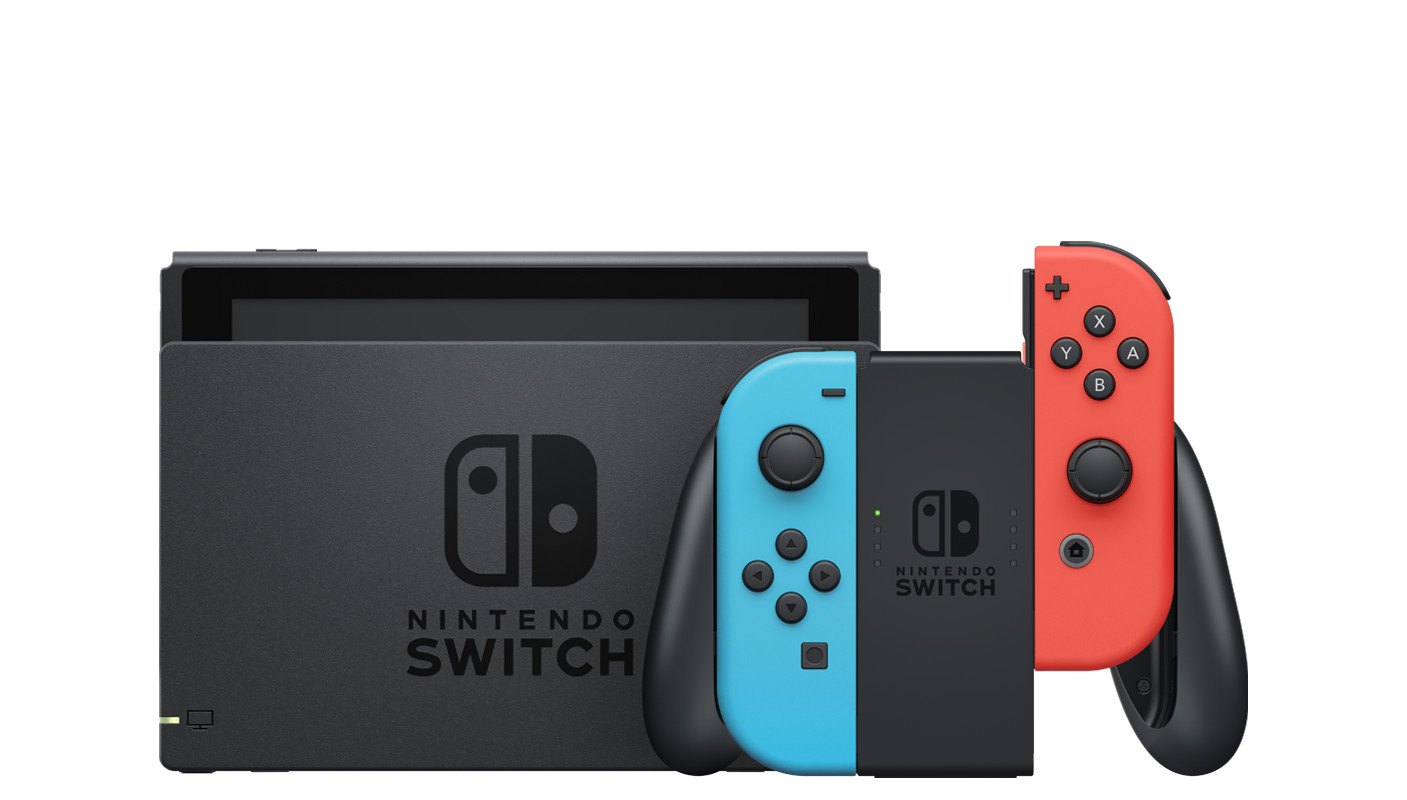
The Nintendo Switch is one of the biggest commercial successes in video game history. Its significance looms even larger when we remember what came before: the Wii U, Nintendo’s previous home console, had flopped commercially, leaving the company facing the need for real change.
But Nintendo wasn’t afraid to take a risk. In 2017 it introduced a hybrid console that combined handheld use with TV play. One device, one library of games, and the ability to carry on the same adventure at home and on the go. It was an ambitious proposition, and its success could not be taken for granted.

We don’t need to claim that another failure would have been the end of Nintendo to understand how big a bet this was. After the Wii U, the company staked the future of its console business on a different idea. And it was vindicated in impressive fashion.
According to Nintendo’s official figures as of June 30, 2026, the Wii U had sold a total of 13.56 million units worldwide, while the original Switch had reached 156.59 million, not including the Switch 2. That is more than 11.5 times the sales of its predecessor. The Switch had also surpassed the Nintendo DS, making it the Nintendo system with the highest total sales to date.
That commercial success gave Nintendo fresh momentum. In our view, it also helped reignite interest in handheld gaming. Handheld game systems had existed for decades, but the Switch showed how much appeal a device can have when it carries complete gaming experiences from the TV into the player’s hands.
Valve’s Steam Deck and the ROG Xbox Ally and ROG Xbox Ally X, which came out of ASUS’s partnership with Xbox, are representative examples of how this market has grown. They are handheld gaming PCs with a different technological approach from the Switch, yet they serve the same desire for freedom over where and when we play. Their arrival doesn’t prove on its own that they are direct imitations of Nintendo, but it does show how important this category has become.
Amid this competition, the Switch has held onto a distinct identity and enormous commercial strength. One key reason is that Nintendo builds the system and also creates a significant share of the games that define it.
Its own games can be designed from the ground up around the screen, the controllers, and the console’s capabilities. That doesn’t mean every Switch game has the same quality or performance. But it does give Nintendo the ability to tie the device closely to the experience it wants to deliver to players.
Series like Mario, Zelda, and Animal Crossing preserve Nintendo’s youthful, playful character. It’s a character that appeals to all ages, combining imagination and immediacy with games that can offer real depth.
Switch 2 and the Continued Partnership With NVIDIA
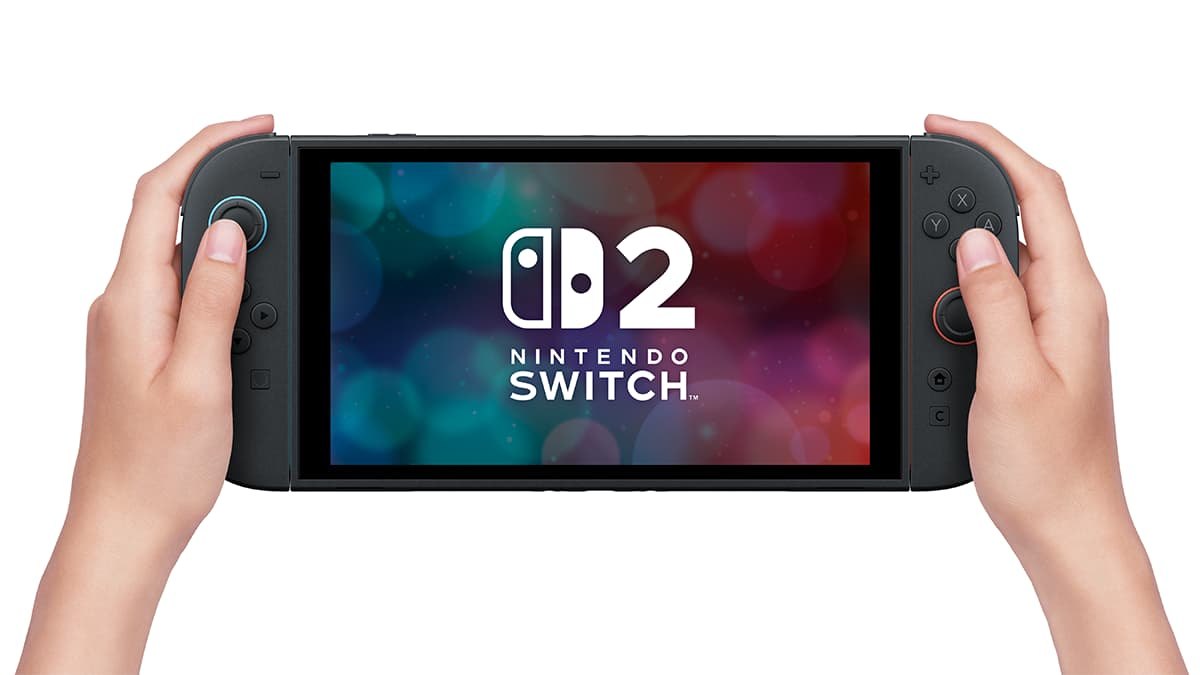
The move to the Switch 2 keeps the core philosophy of the hybrid console while adding meaningful new technological capabilities. Nintendo is continuing its partnership with NVIDIA, using a custom processor that supports technologies such as DLSS and ray tracing acceleration. How they are used depends on each game and its creators’ choices.
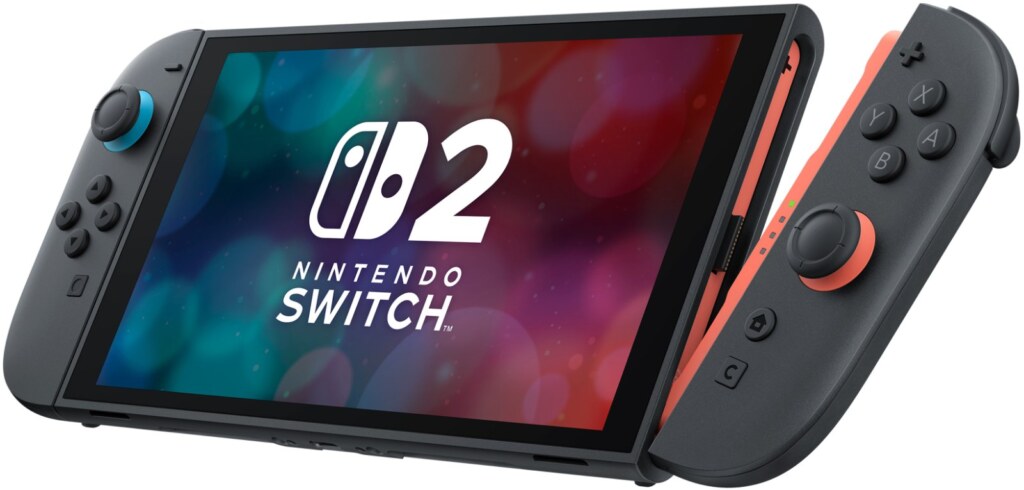
Among the three major console families, Nintendo is the one that stands apart: the Switch 2 uses NVIDIA technology, while the PlayStation 5 and Xbox Series X and S are built on AMD. AMD is also behind devices such as the Steam Deck.

In that sense, we see the Switch 2 as an important bet for NVIDIA as well. The partnership with Nintendo keeps its presence strong in the major consumer console space, a market where AMD has secured the other two main platforms.
The continuation of the partnership is also interesting given the security issue that had been identified in early models of the original Switch. A vulnerability in the NVIDIA Tegra boot system allowed unauthorized code to run, opening the door to modifications that could also be used to play pirated games. The issue affected the vulnerable early units and shouldn’t be blamed indiscriminately on every Switch.
Despite that history, Nintendo chose NVIDIA again for the new generation. The decision shows the continuity of a partnership that remains central to the platform’s technological direction.
Meaningful Improvements, but Extra Costs Too
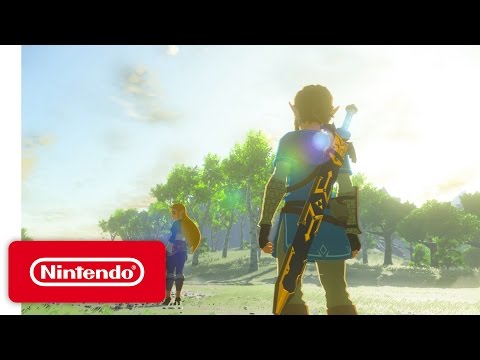
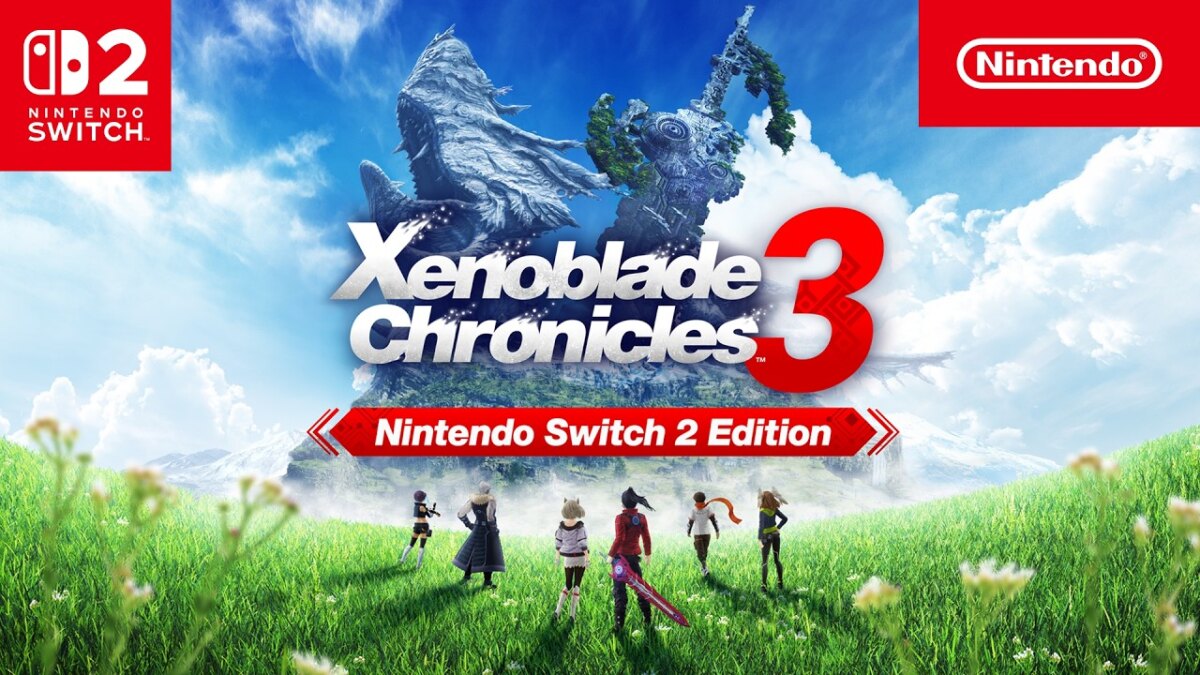
From my own testing of games such as The Legend of Zelda: Breath of the Wild and Tears of the Kingdom, as well as Super Mario Odyssey and titles in the Kirby series, the move to the Switch 2 brings meaningful improvements. Games we first got to know on the original Switch feel refreshed on the new device.
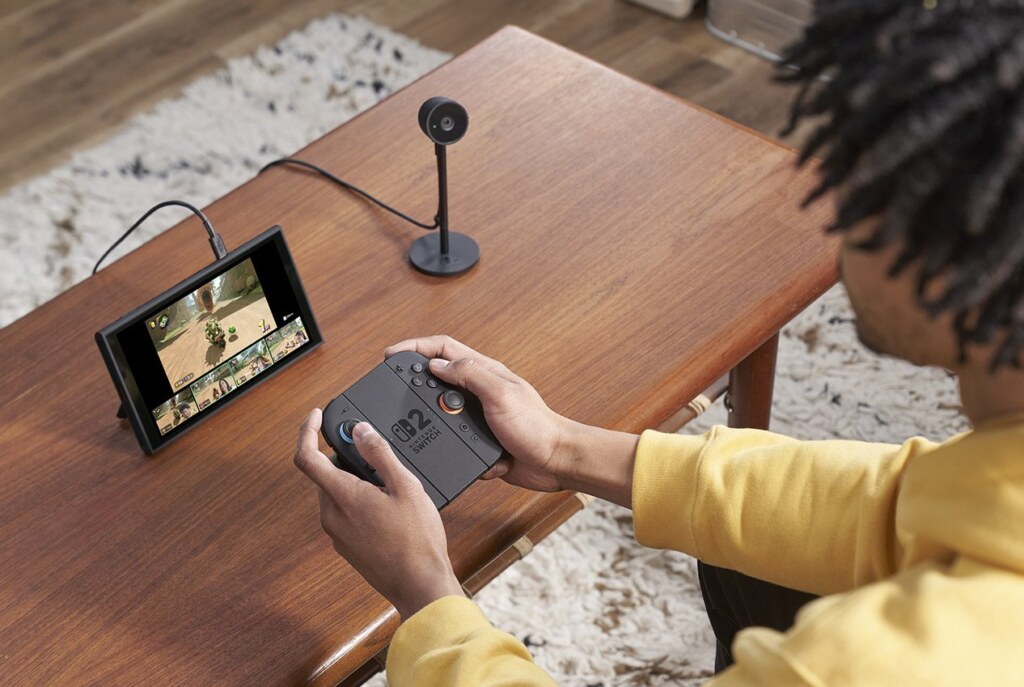
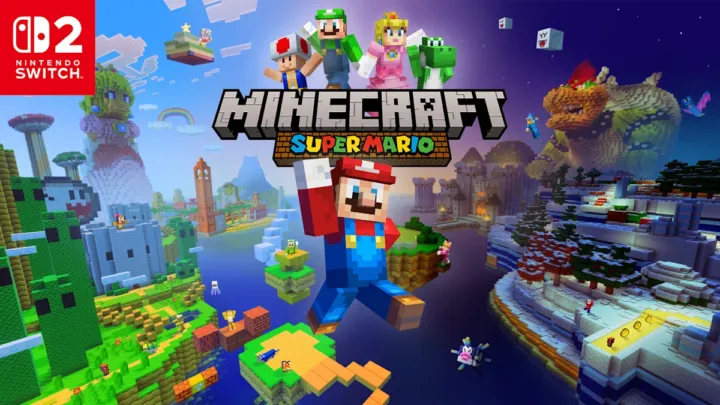
That said, we need to distinguish between free updates and upgrades that require a purchase. Super Mario Odyssey, for example, has received a free update with improved visuals, HDR support, and GameShare.
By contrast, the Switch 2 versions of the two Zelda games, as well as Kirby and the Forgotten Land, are offered through separate upgrade packs. In Kirby’s case, that includes the additional Star-Crossed World content. For the two Zelda games, access to the upgrade packs is also included with an active Nintendo Switch Online Expansion Pack membership, without a separate purchase.
This is where my main reservation lies: the improvements are welcome, but in several cases players are asked to pay extra for a title they already own. Whether that charge is worth it needs to be judged case by case, depending on the technical improvements and the new content on offer.
So the Switch 2 continues a philosophy that has proven its commercial strength. The challenge for Nintendo is to turn the new capabilities into games and upgrades that justify the trust, and the money, of its players.
Release dates, sales and price
- Nintendo Switch: launched March 3, 2017, 156.59 million units sold
- Wii U: 13.56 million units sold
- Nintendo Switch 2: launched June 5, 2025 at 449.99 US dollars, 23.68 million units sold
- Upgrade packs: 9.99 US dollars for each Zelda game, included with Nintendo Switch Online + Expansion Pack, and 19.99 US dollars for Kirby and the Forgotten Land
- Sales figures: Nintendo, as of June 30, 2026
Sources: Nintendo; Steam; Xbox Wire; NVIDIA Blog; AMD; NVIDIA Support; fail0verflow; Nintendo Support.
Follow GamingBroject on Google: add us as a preferred source

Community
0 comments